

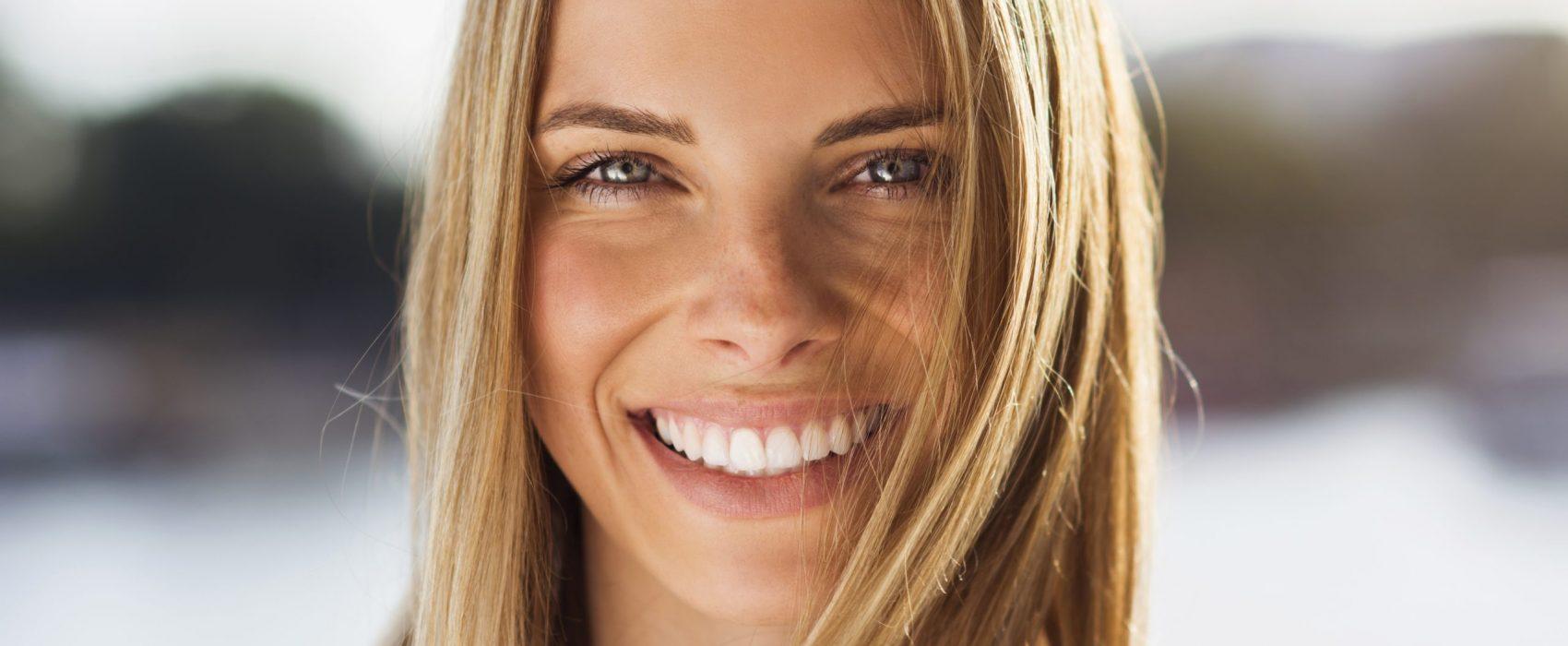
Sweet, warm, and always on-trend, honey blonde hair is the perfect springtime hair color for 2020. This soft shade is ideal for a low maintenance hue that requires less upkeep than ash blonde or platinum. The neutral tones complement every complexion and blend naturally into your virgin hair for a look that’s effortlessly beautiful. If getting a new color is on your mind, check out these handy tips for maintaining honey blonde hair before you make the leap to the lighter side of the hair spectrum.
Glossy Goals
Boxed dyes can deceive even the most beauty-savvy Denver trendsetters! Going from one color to another is not a one-step process, especially if you’re taking dark hair more than a shade or two lighter. Your stylist will recommend the right process for achieving long-lasting color, without damaging your hair. This includes appropriate lightener to match your natural hue.
Another step your stylist will likely recommend is a restorative gloss treatment. Think of gloss as a shield to lock in shine and prevent your hair from looking faded or brassy. A luxury gloss treatment fills in porous strands to create a smooth, shiny, totally Instagram-worthy look. This extra step is highly important when it comes to protecting against sun damage, which can easily take your honey blonde locks to mousy brown or copper.
Embrace Your Roots
Unlike lighter blonde hues that require frequent root upkeep, honey blonde hair is the one color that lets you celebrate the contrast. Don’t try to cover up your roots with extra lightener, embrace them! Go a few shades darker at the root line for a sultry vibe that fades naturally into rich, honey blonde tones. The best root shades include golden brown lowlights, a warm chocolate base layer that can extend to a peek-a-boo highlight, and simple mocha brown.
As your color begins to fade, the blended effect will appear natural instead of being a signal for a root touch up. This is a great trick for keeping honey blonde hair vibrant for longer.
Also, add a little moisture infused styling oil to your roots and ends on days when you skip a full shampoo and conditioner treatment to give your color an extra glow.
Maintain the benchmark
When it comes to maintaining honey blonde hair, there are a few key rules to keep in mind. Sun exposure, hard water and chlorine damage, and harsh chemicals are all imminent threats when it comes to ruining your flawless radiance. Don’t leave the salon without stocking up on a high-quality clarifying shampoo, like Kérastase’s Bain Chromatique Riche. It’s designed to protect hair from common pollutants and restore hydration and natural softness. Also, treat your hair to a masque each week for a DIY spa day that will enrich your color.
If you’re noticing the telltale signs of fading, such as brassy undertones creeping into your roots and a greenish hue dominating the lighter strands, it’s time to stop by the salon for a touch up! Experts recommend reviving your color every six to eight weeks.
If you’ve waited a bit too long between visits and find that your honey blonde hue isn’t quite as rich and sunny as you recall, never fear! This shade is very forgiving and can easily be transitioned into deep, flirtatious sombre. Honey blonde is the ideal shade of lighter hair for those who enjoy changing up their color every few months. With less commitment than platinum tones, the possibilities are endless. You can add subtle highlights, lowlights, and even subtle strands of pastel pinks and violets.
Get your spring style on track at Deseo Salon & BlowDry with a fresh pop of honey blonde to brighten your day! Schedule an appointment with our expert stylists to get started.
Frequently Asked Questions
What is honey blonde hair and why is it considered low maintenance?
Honey blonde is a warm, golden shade that sits in the medium blonde range, not as light as ash blonde or platinum, and not as bold as bright gold. Its warm neutral tones complement all complexions and blend naturally into your base color, which means roots are less noticeable as they grow out. This makes honey blonde one of the more forgiving, low-maintenance blonde options available.
Should I go honey blonde with a boxed dye?
No, boxed dyes are not recommended for achieving honey blonde, especially if you’re starting from a darker base. Getting from one shade to another is a multi-step process that requires the right lightener matched to your natural hair. A professional colorist can also add a restorative gloss treatment to lock in shine and protect against fading and brassiness right after coloring.
How do I manage roots with honey blonde hair?
With honey blonde, you can actually embrace your roots rather than fight them. Adding golden brown lowlights, a warm chocolate base layer, or mocha brown near the root creates a sultry shadow root that fades naturally into your honey blonde tones. As the color grows out naturally, the blended effect looks intentional rather than overgrown, extending the life of your color.
What damages honey blonde hair most?
Honey blonde hair is most vulnerable to sun exposure (which can pull the color toward copper or mousy brown), hard water and chlorine damage, and harsh chemical exposure. Protecting against these threats requires a high-quality clarifying and color-protective shampoo, like Kérastase’s Bain Chromatique Riche, along with weekly moisturizing masques and a gloss treatment at the salon.
How often do I need to touch up honey blonde hair?
Experts recommend refreshing honey blonde color every six to eight weeks. Signs that it’s time for a touch-up include brassy undertones appearing in the roots and a greenish cast dominating the lighter strands. Because honey blonde is a forgiving shade, waiting slightly longer between visits is possible, and if color has faded significantly, it can easily transition into a deep, beautiful sombre.
What other colors can I add to honey blonde hair?
Honey blonde is a versatile base that pairs beautifully with subtle highlights, golden brown lowlights, and even soft pastel tones like pink or violet for a creative pop. Because it sits in the medium blonde range, it requires less commitment than platinum and gives your colorist more room to work with dimensional styles.